
2026-10-18 ·
Local Building Considerations for HVAC Installation in Jersey City
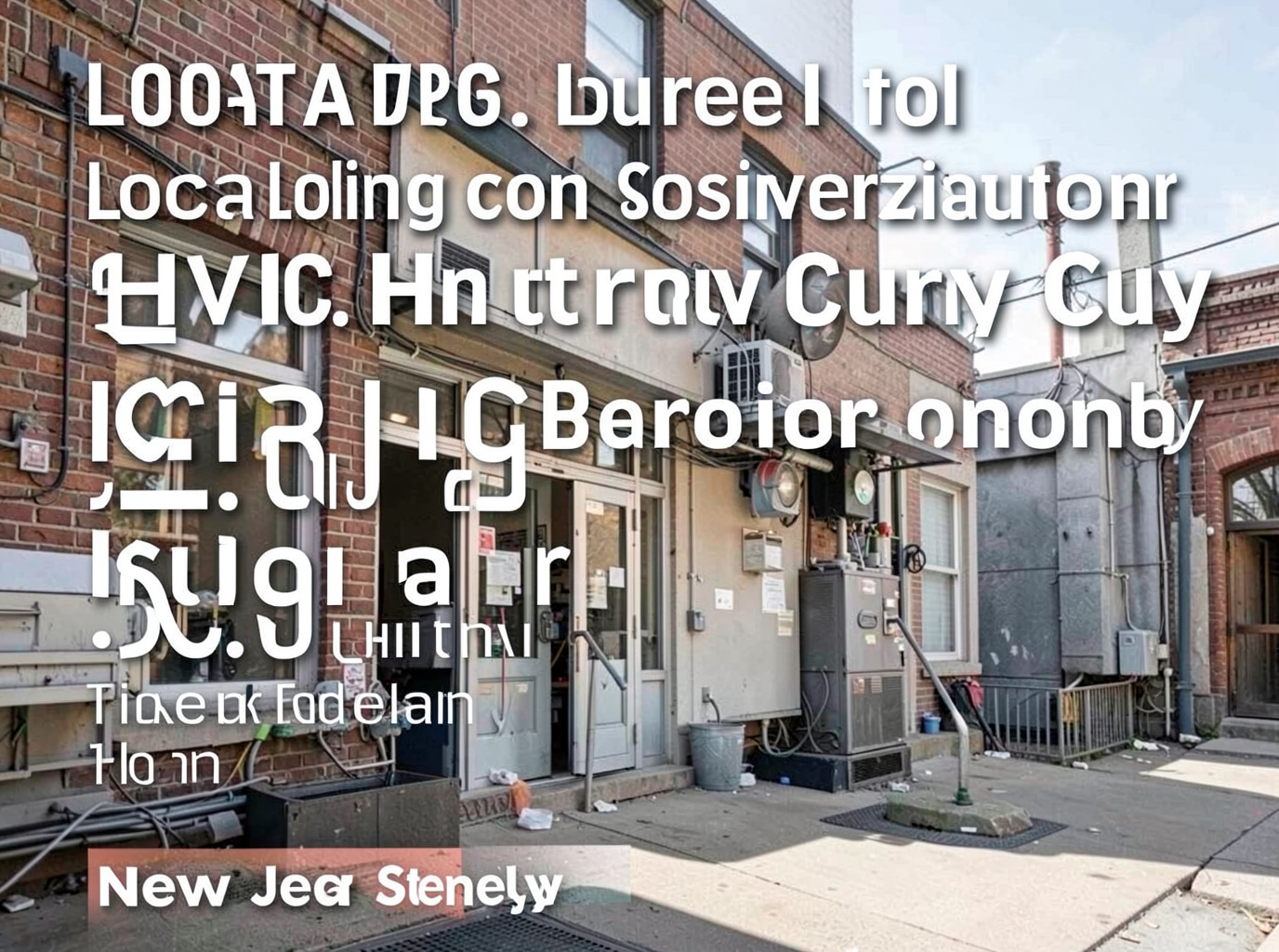
Most Jersey City HVAC installations take one to three days on site, but the real timeline and cost depend on the building more than the equipment. A straightforward swap of a furnace or air handler in a modern condo may run $4,000–$9,000 for a full system, while a retrofit in a older rowhouse in Downtown or Bergen-Lafayette can climb well past that once ductwork, venting, and access are factored in. The building itself sets the scope, so the most useful thing you can do before installation is understand how local housing stock affects the work.
Working Within Jersey City's Older Housing Stock
A large share of Jersey City's residential buildings are brownstones, row houses, and multi-family conversions, many of them built a century ago or more. Those buildings were not designed with central air in mind. Ceilings may be high but interior walls are often plaster over masonry, which makes running new supply and return ducts difficult without opening finished rooms. In neighborhoods like Journal Square, Greenville, and The Heights, it is common to find basements with low headroom, narrow stair access, and utility rooms tucked under stairs.
These conditions change the design. Ductless mini-splits are often the practical answer in older buildings because they need only a small line set through the wall instead of a full duct system. Where ducted systems make sense, we look for existing chases, closet space, and attic runs before deciding on routing. Expect a site survey to take longer than the installation itself in a building like this, and expect the scope to shift once walls are opened.
Rooftops, Condensers, and Waterfront Exposure
Outdoor condensers and heat pump units need clearance, level mounting, and protection from water. Many Jersey City buildings have flat roofs with limited access, shared terraces, or rear yards that are only a few feet deep. Before setting a unit, confirm the roof load capacity, the rooftop access route, and whether the building's governing documents restrict where equipment can sit.
Properties near the Hudson River waterfront, including areas around Paulus Hook, Harsimus Cove, and Droyers Point, sit in lower-lying ground where flooding and wind-driven rain are real concerns. We typically recommend raising outdoor units on sturdy pads or brackets above expected water levels and using corrosion-resistant hardware. Coastal salt air also shortens the life of exposed metal, so coated coils and stainless fasteners are worth the modest added cost.
Planning Around Seasonal Demand and Permits
Winters in northern New Jersey bring sustained cold snaps, and when temperatures drop, furnace and heat pump installations queue up quickly. Installing before the first hard freeze avoids emergency calls and gives you time to test the system under real load. Summer is equally busy once humid stretches arrive, so scheduling in shoulder seasons often means shorter lead times and more flexible crews.
Jersey City requires mechanical permits for most system replacements and new installations, and inspections may be needed before final connection. Ask your installer who pulls the permit and whether the quote includes inspection coordination. A clear permit scope protects you at resale, and it confirms that gas lines, venting, and electrical work meet current code. For more on preparing the home itself, see our guide on preparing your Jersey City home for winter HVAC installation.
Choosing the Right System for the Building
Once the site is understood, the equipment choice follows. A gas furnace with a central air conditioner remains a solid option where existing gas lines and flue routing are in good shape, typically lasting 15–20 years with regular service. A heat pump installation can handle both heating and cooling with one outdoor unit, which suits buildings where gas access is limited or where you want to reduce rooftop equipment. Ductless systems fit spaces with no existing ducts at all.
In every case, size the equipment with a proper load calculation rather than matching the old unit's tonnage. Older buildings often have air leaks, uninsulated walls, or single-pane windows that change the real heating and cooling need. Oversized systems short-cycle, wear out faster, and leave rooms uncomfortable. A written load calculation and a clear explanation of the ductwork plan are good signs of a careful installer.
What to Confirm Before You Sign
Before accepting any proposal, ask for a written scope that lists equipment model, duct modifications, electrical upgrades, venting changes, permit responsibility, and warranty terms as provided by the manufacturer. Compare quotes on the same scope, not just the bottom line. If you want a deeper look at what drives pricing, our article on HVAC installation costs in Jersey City walks through the main cost factors line by line.
If your current system needs repairs while you plan a replacement, air conditioning repair can often keep the house comfortable through the season without rushing a decision. At NJ Heating & Air Pros, we are based in Jersey City and keep regular hours Monday through Friday from 8am to 6pm and Saturday from 9am to 2pm, so you can schedule a site visit around your building's access. Ask us to show you the rooftop, the mechanical room, and the duct route in person. Good installations are built on details you can inspect yourself.